


Taraxacum officinale
I refuse to pull dandelions from my yard during the first bloom. I don’t even let my husband mow.
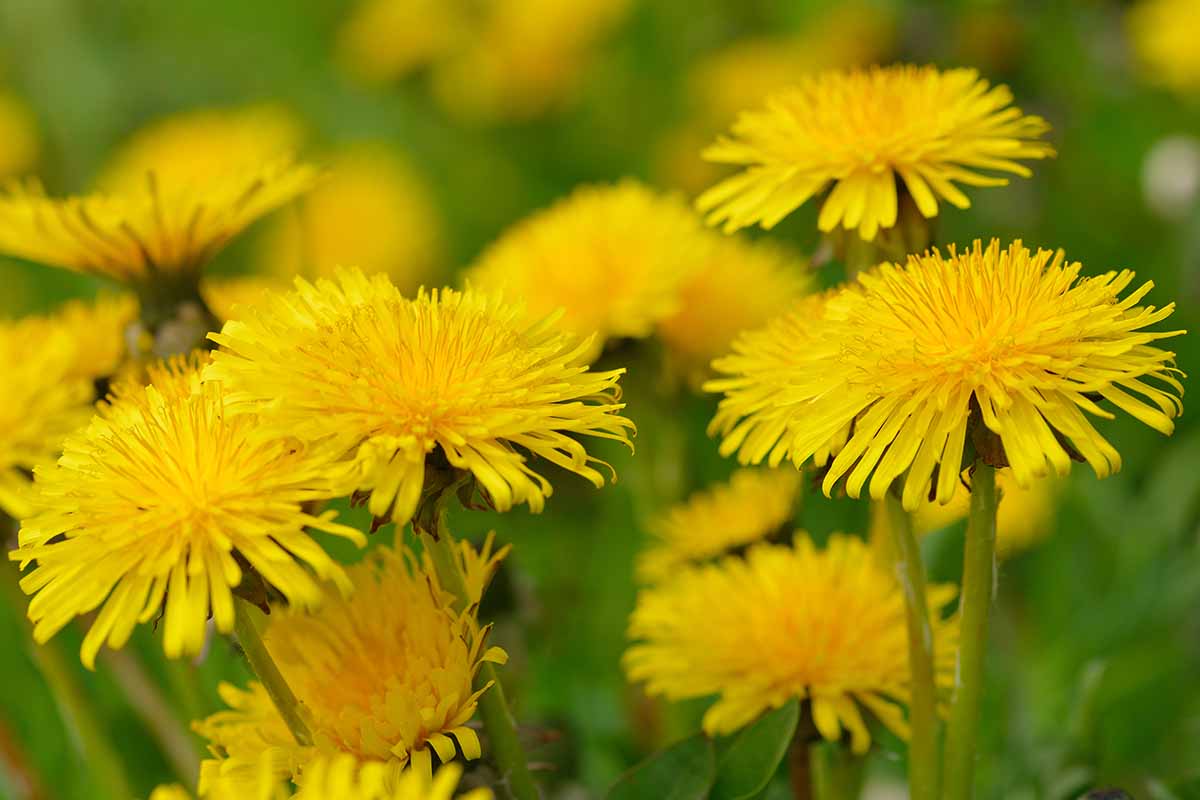
Those cheerful drops of sunshine are not only pretty, but as a beekeeper, I know they are a good food source for pollinators during the gaps between blooms of other essential spring plants.
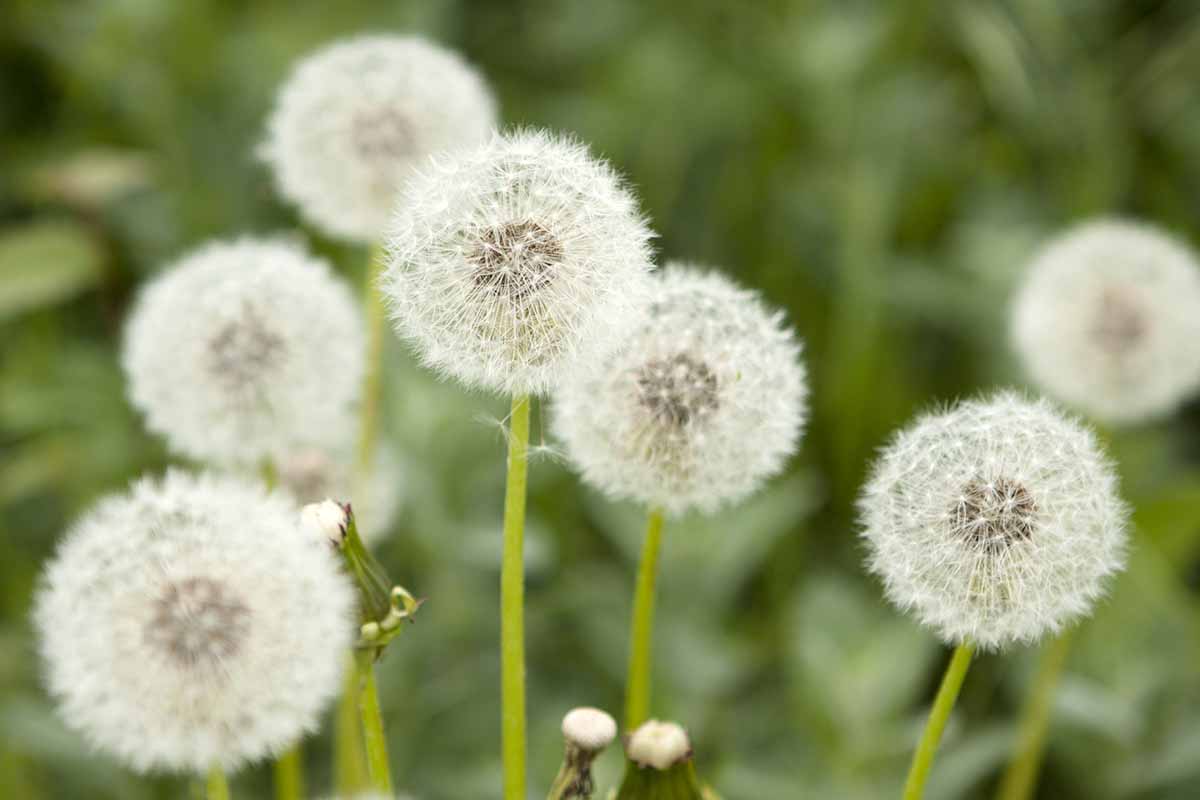
And when the white fluff emerges, my yard fills with ecstatic little birds gobbling up the seeds.
We link to vendors to help you find relevant products. If you buy from one of our links, we may earn a commission.
Not only are dandelions good sources of food for birds and bees, but most of the plant is edible for humans too.
Yes, you could just go forage wild dandelions from your yard instead of growing them intentionally, but you shouldn’t forage from other people’s yards or roadsides.
Many gardeners hate dandelions, so you don’t know what they’ve been sprayed with (or whose dog peed on them).
Plus, frequently mowed dandelion greens can be too bitter to make a yummy addition to your salad.
So why not grow them? They’re healthy, easy, and as you’ll find out below, you don’t even need a yard or garden to have fresh dandelion greens handy.
Keep reading to find out everything you need to know about growing my favorite weed, the cheery dandelion!
It’s a loathed weed now, but this central Asia native was initially imported to America as a food crop.
And, obviously, it did very well.
You can find T. officinalea member of the aster or Asteraceae familyin Europe, North America, southern Africa, South America, New Zealand, Australia, India…
Its success is no wonder.
Not only does each plant produce an average of 5,000 wind-borne seeds, these perennials are hardy in Zones 3 to 10, they survive from the lowlands to over 8,000 feet in elevation, tolerate wet and compact soils, poor and dry soil, and are generally pest and disease free.
Their biggest enemies are bunnies and humans.
The sight of a dandelion carpet might cause a spike in the blood pressure of some lawn owners, but they are a healthy food.
Quick Look
Common name(s): Blowball, dandelion
Plant type: Herbaceous perennial
Hardiness (USDA Zone): 3-10
Native to: Central Asia
Bloom time / season: Spring to summer
Exposure: Full sun to part shade
Soil type: Organically rich loam (tolerates anything), well-draining
Soil pH: 6.0-8.5, slightly acidic to alkaline
Time to maturity: 85-95 days
Mature size: 6-9 inches tall by 9-12 inches wide
Best uses: Edible leaves, shoots, and flowers
Taxonomy
Order: Asterals
Family: Asteraceae
Genus: Taraxacum
Species: Officinale
The greens are high in calcium, iron, vitamin C, and potassium, and low in calories. Excluding the flower stems, the rest of the plant is perfectly edible.
Dandelions can be beneficial to grow alongside your other plants, too.
Their bright, pollen laden flowers attract a variety of beneficial insects such as lacewings, ladybugs, bumblebees and other pollinators.
