


Hi GPODers!
Summer is here and for many gardeners that means their period of peak color. However, as the temperatures continue to rise it isn’t necessarily advisable or enjoyable to spend hours working in the garden to maintain those blooms. One gardener who has managed to create a colorful landscape with a wonderful collection of diverse flowers that don’t require endless toiling is Tingshu Hu in Dunstable, Massachusetts. Tingshu has shared many vibrant photos of her lush and layered garden (Check out some of her previous submissions: Tingshu’s Back Garden in Late Summer, Tingshu’s Low-Maintenance Garden in Massachusetts, Deedee, Lulu, and Luke in Tingshu’s Garden, Chickens in Tingshu’s Garden, Flowering Trees in Tingshu’s Gardenand more), but today she is focusing on the many low-maintenance flowers that fill her garden with color during the peak season.
I would like to share some pictures of some low maintenance flowers in late spring and early summer in my garden.
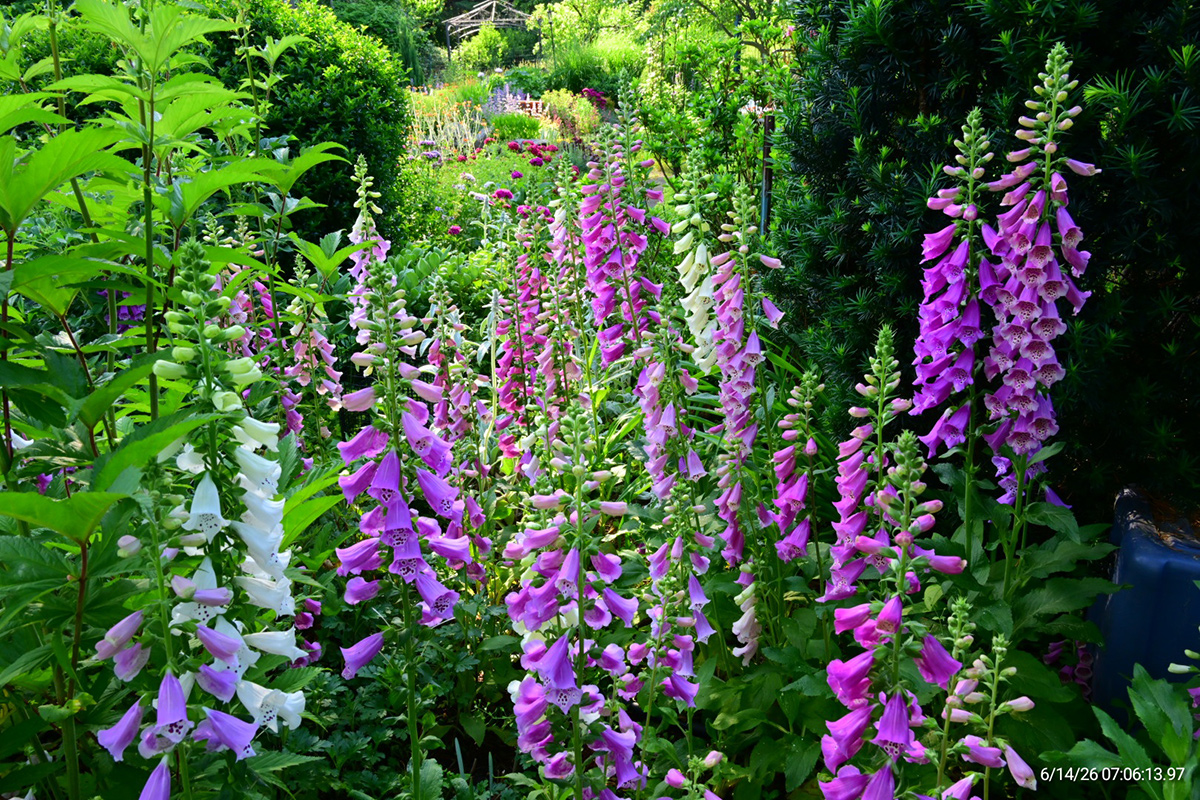 Foxglove (Digitalis purpureaZones 4–9) flowers are biennials. They come back year after year by self seeding with randomly mixed colors. I cut back the spent spikes when there are still a few flowers on the top to minimize self seeding and encourage secondary smaller blooms. The taller plants on the left side are queen of prairie (Filipendula rubraZones 4–7). They will start to bloom soon after the foxgloves.
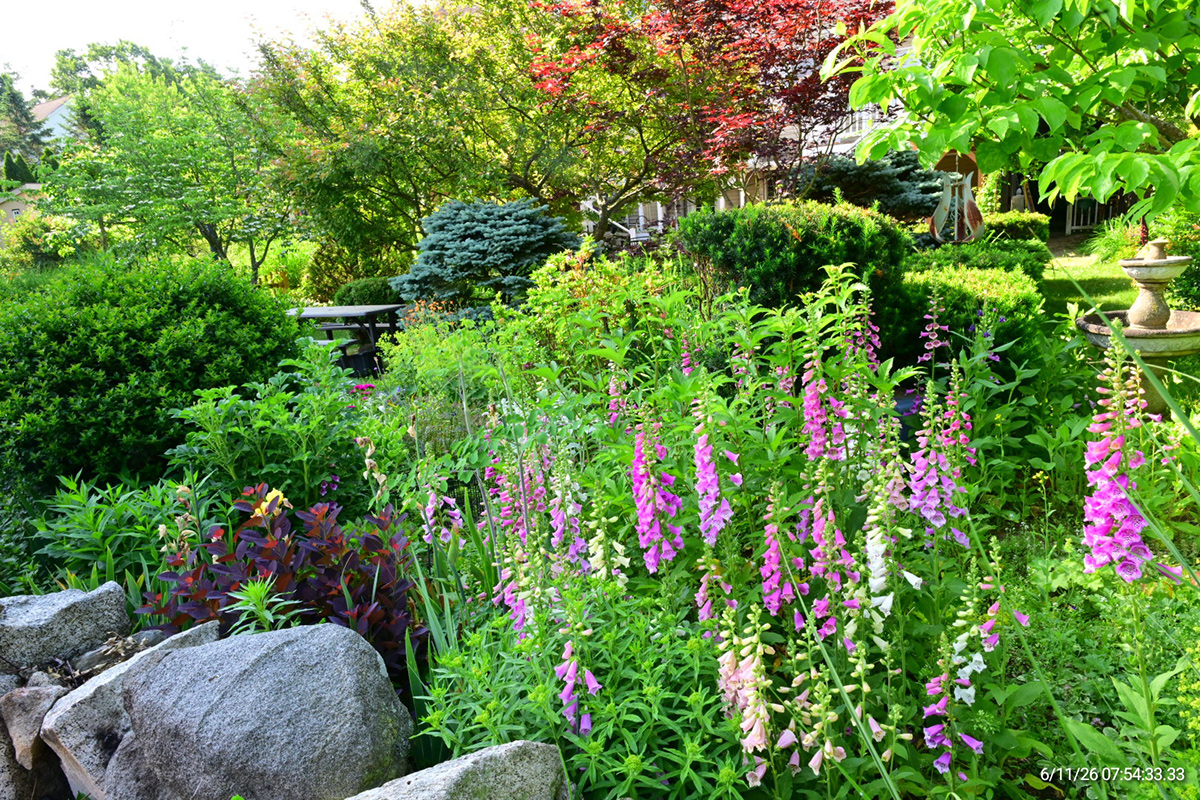 Growing together with foxgloves are queen of prairie, meadow rue, tall phlox (Phlox paniculataZones 4–8), orange milkweed (Asclepias tuberoseZones 3–9) and hardy chrysanthemum. They will keep the colors going after the foxglove blooms are finished. The purple smoke bush (Constantly coggygria ‘Royal Purple’Zones 4–10) provides constant color. The bottom left corner is part of a heritage stone wall.
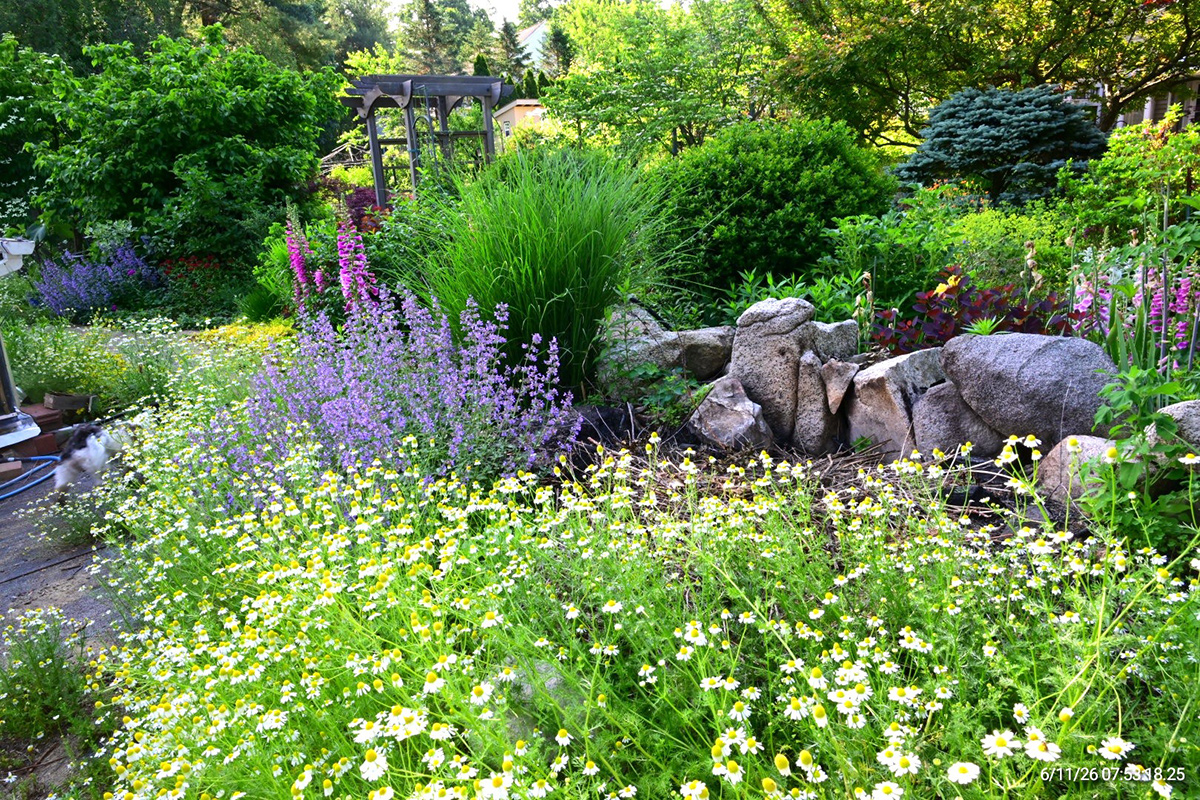 On the other side of the stone wall are patches of German chamomile (Matricaria chamomillaannual), mixed with catmint and more foxgloves. I sowed some chamomile seeds 3 years ago. They come back every year by self seeding. This year I started to make tea with the flowers and cutback the stems to encourage more flowers. If you look carefully, you can see Toby’s butt at the left side. Toby is a Havanese dog who joined the family last June.
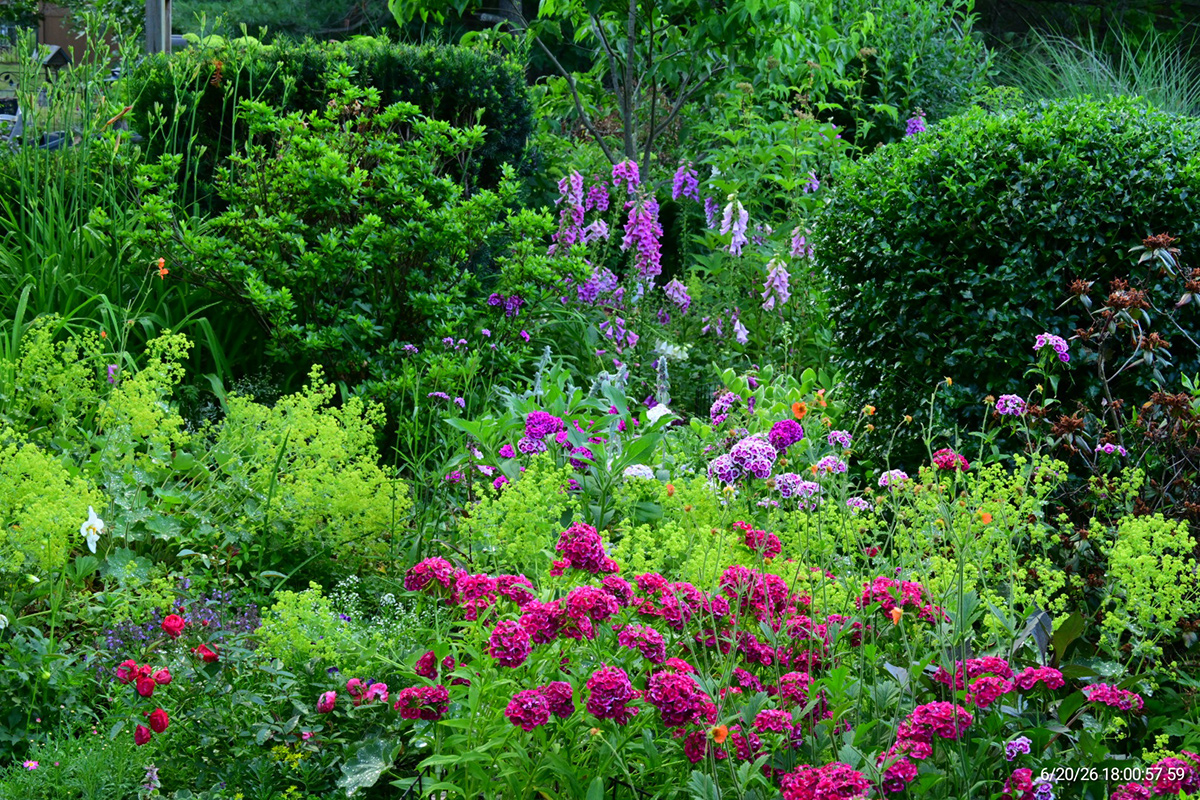 Looking toward the patch of foxgloves from a different angle. Several color varieties of sweet William (Dianthus beardedZones 3–9) are mixed with lady’s mantle (Alchemilla softZones 3–8), and a few remaining Totally Tangerine geum (Geum ‘Totally Tangerine’Zones 5–7) flowers. At the bottom left corner are a small rose bush, a dahlia with white flowers and a pink argyranthemum that just started to bloom. Near the center, tall verbena (Verbena bonariensisZones 7–11) just started to bloom with purple flowers.
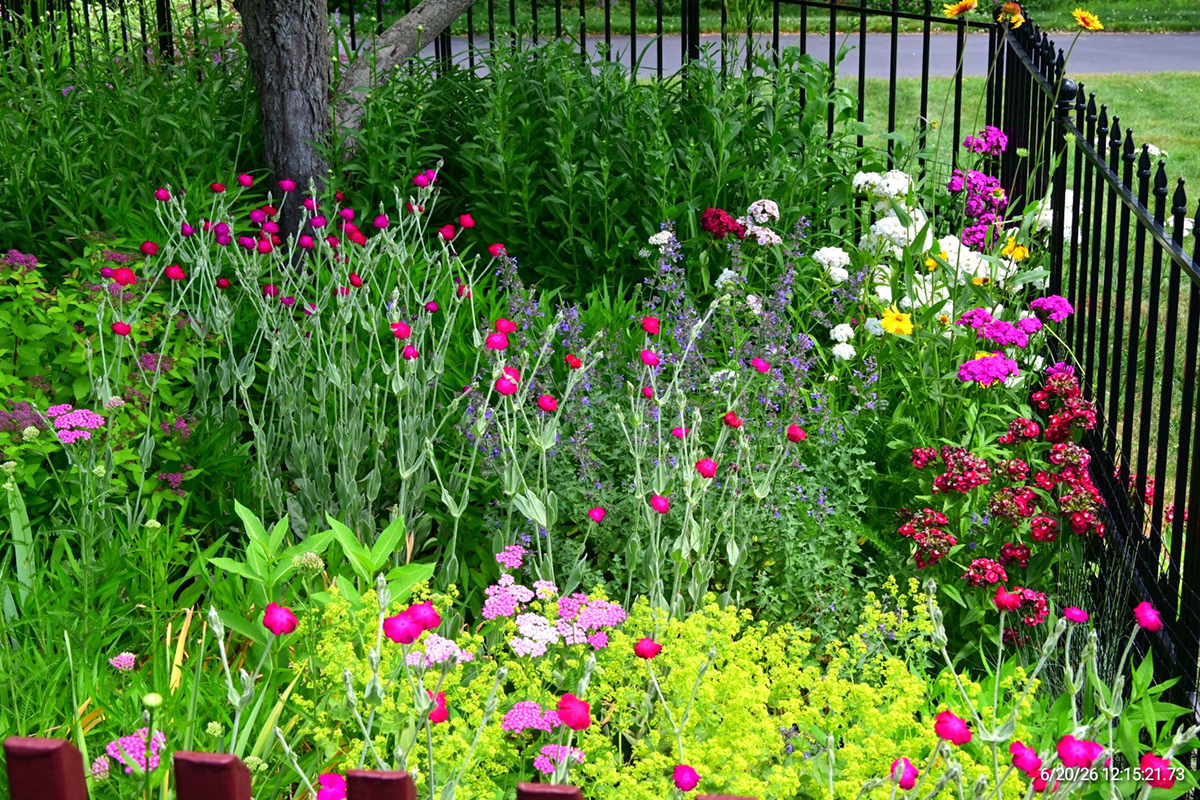 Rose Campions (Silene coronaryZones 4–10) just started to bloom. They are also biennials that come back year after year by self seeding. At the right side by the fence are several color varieties of sweet William and yellow coreopsis. At the bottom are pink yarrow surrounded by lady’s mantle.
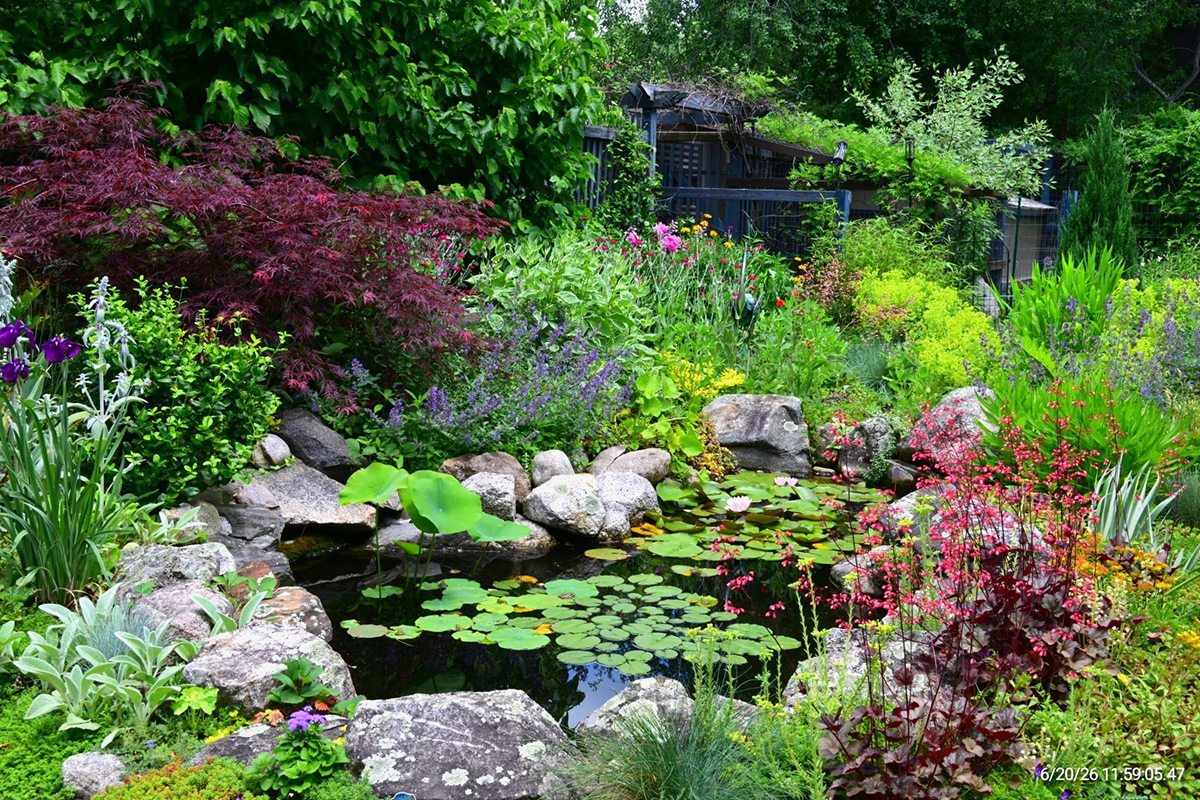 A Japanese iris (Iris ensataZones 4–9) with purple flowers stands by the left side of the fish pond. Other plants around the fish pond include euonymusa Japanese maple tree (Acer palmateZones 5–8), catmint, red twig dogwood (Horn silkyZones 3–7), peony, rose campion, coral bells, lamb’s ear (Stachys byzantinaZones 4–8), blue fescue (Fescue glaucaZones 4–8), floss flower (Ageratum houstonianumannual), black eyed Susan (Rudbeckia shaggyZones 3–8), northern sea oats (Chasmanthium latifoliumZones 4–9) and several varieties of ground cover sedums. Beyond the blue fence is a chicken yard.
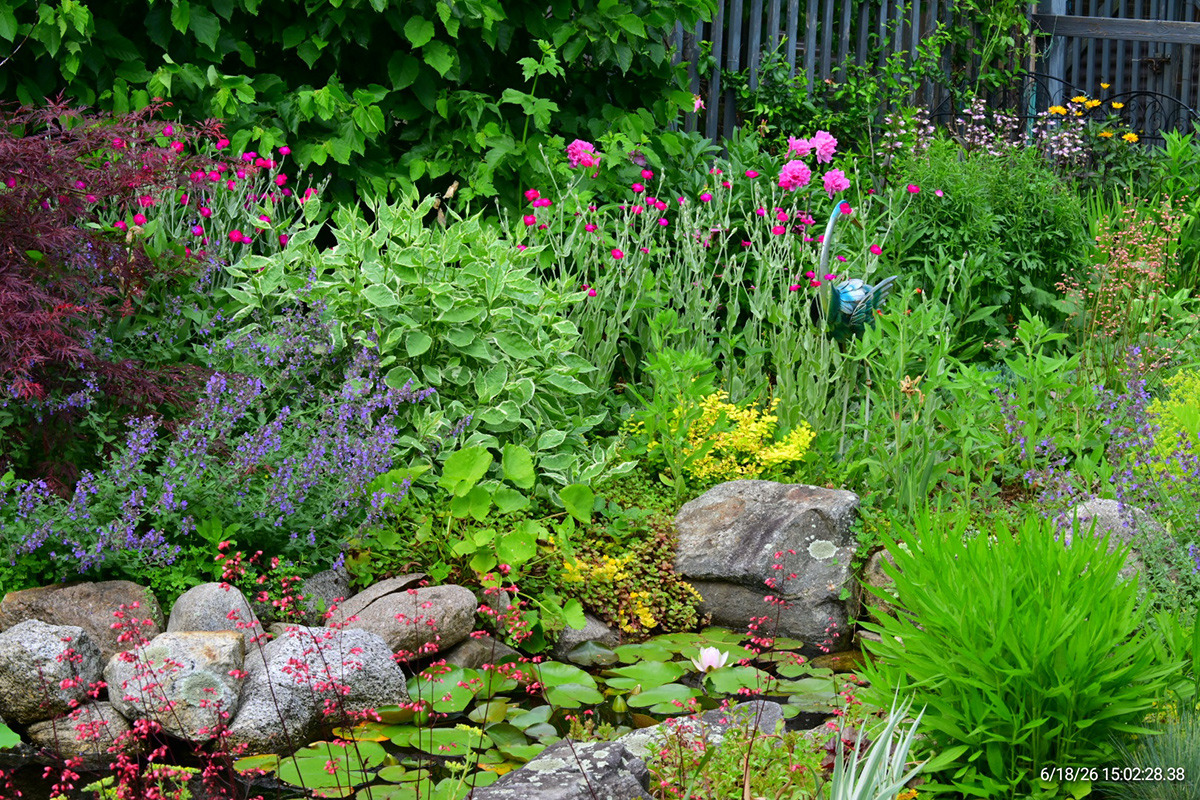 A close up view of some plants in the previous picture. Further away in front of the blue fence are purple penstemon and orange false sunflowers (Heliopsis helianthoidesZones 3–9).
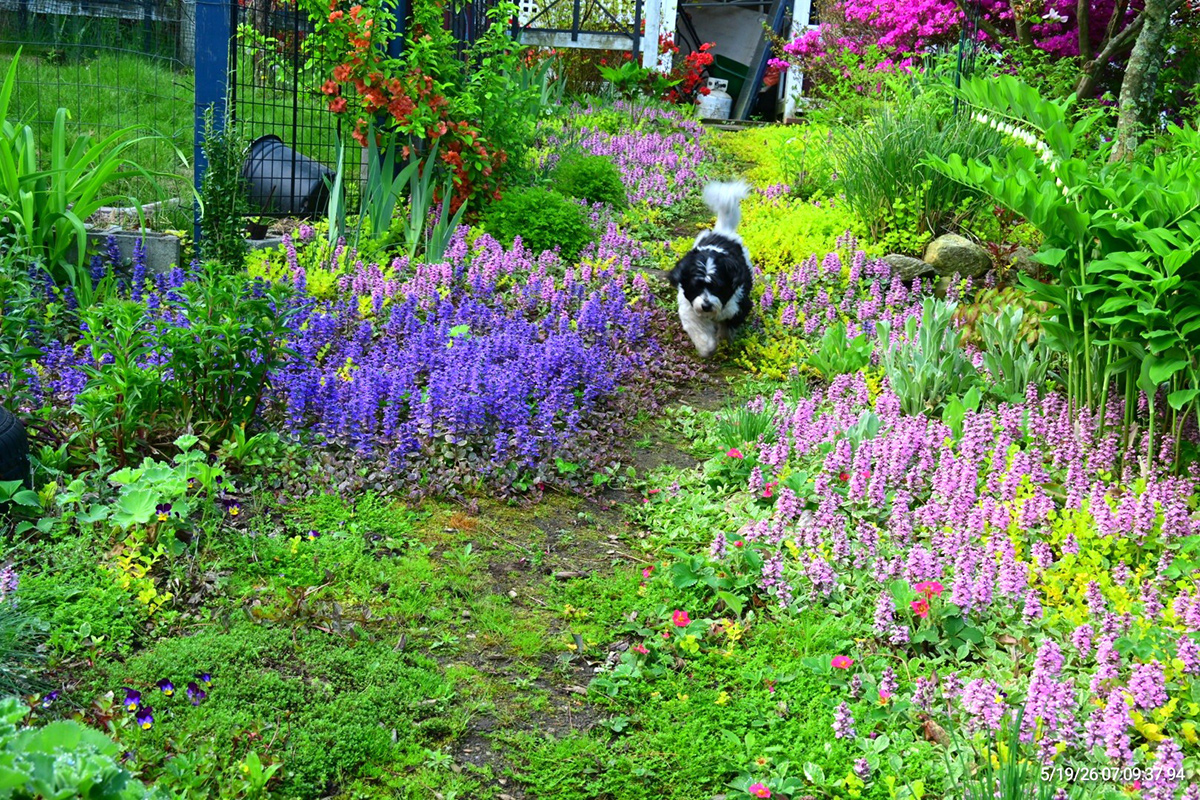 Luke walked down a gentle slope covered with with the brain flowers and creeping Jenny (Lysimachia nummulariaZones 3–8). Some cheerful red strawberry flowers pop up randomly. The fenced lawn on the top left side belongs to the chickens. Luke, a Havanese dog, was diagnosed with diabetes a year ago and went blind soon after. After half year’s treatment, he regained his vision and has been diabetes free for nearly 7 months. A story about Luke’s recovery was posted on GPOD on 1/6/2026 (Luke and Toby in Tingshu’s Garden).
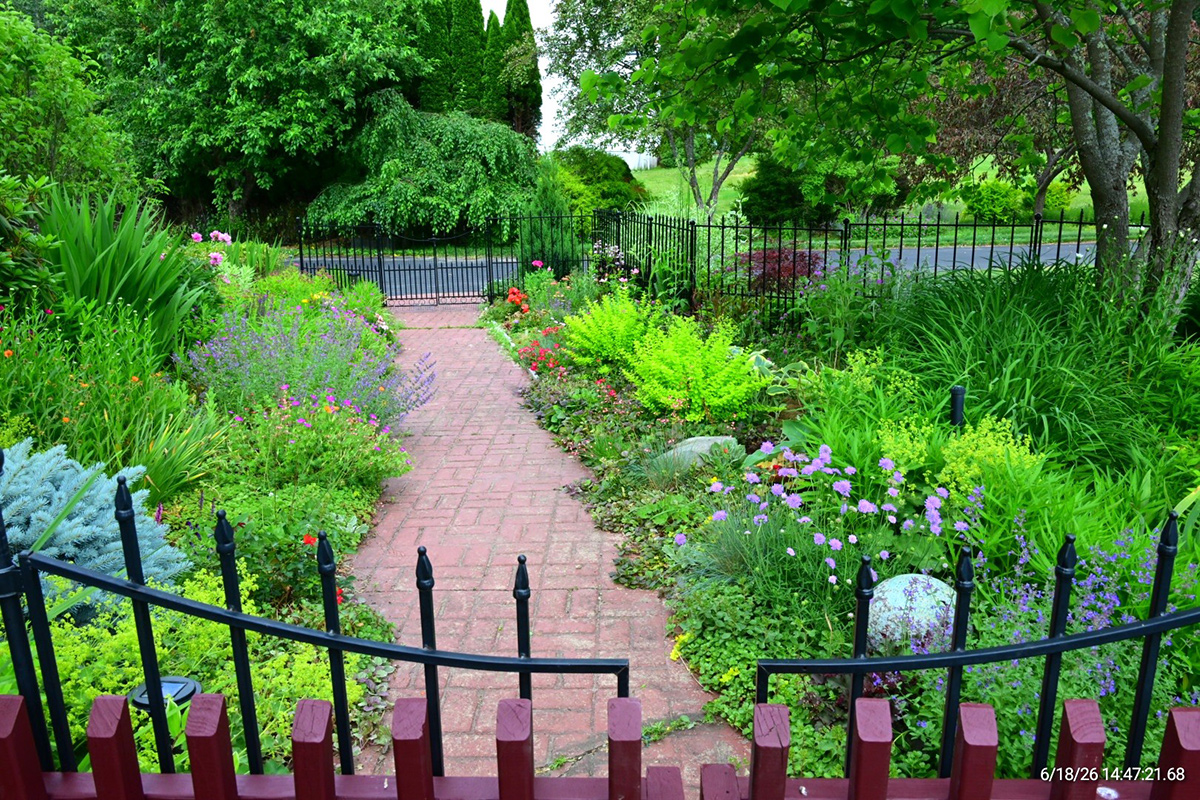 The front garden is less wild than the back garden. Picture shows the plants along a front garden walkway. Plants on the left side include lady’s mantle, blue spruce (Picea of the scrotumZones 2–7), low growing roses, hardy geraniumcatmint and peony. On the right side are catmint, coral bell, purple pincushion, yellow barberry (Barberry thunbergii ‘Aurea’Zones 4–7) and low growing roses. Filling the gaps are ground cover plants including ajuga, several varieties of sedum and creeping potentilla. This part of garden used to be outside of the fence. We installed the metal fence 3 years ago since the rabbits developed new taste and started to eat rabbit resistant plants.
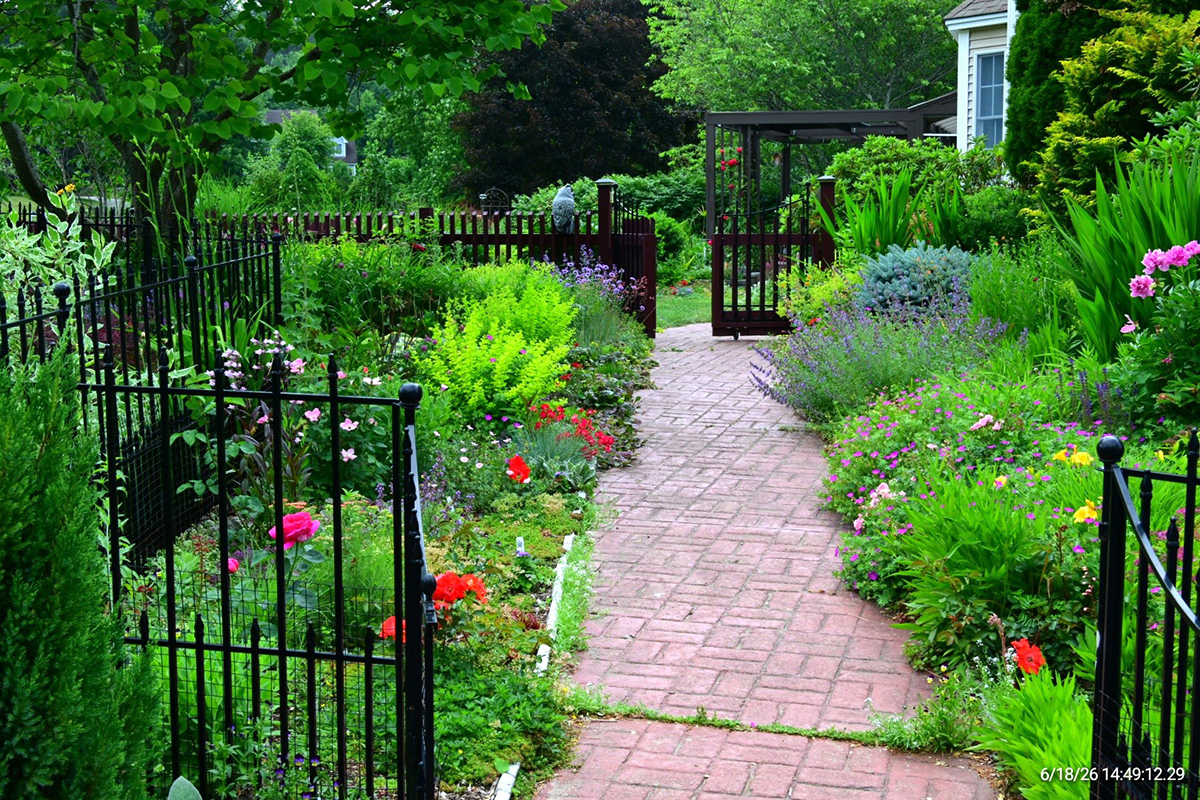 Same walkway looking from the opposite side.
Thank you so much for another colorful update from your garden, Tingshu! Your vibrant designs always look incredibly high maintenance, but it is incredible to hear that a garden that looks this good can also be easy to care for.
Do you prefer your flowers unfussy, or are you willing to put in extra work if the blooms excite you enough? Let us know in the comments, or please consider sharing photos of your favorite flowers with the blog. Follow the directions below to submit your photos to Garden Photo of the Day!
We want to see YOUR garden!
Have photos to share? We’d love to see your garden, a particular collection of plants you love, or a wonderful garden you had the chance to visit!
To submit, fill out the Garden Photo of the Day Submission Form.
You can also send 5–10 photos to (email protected) along with some information about the plants in the pictures and where you took the photos. We’d love to hear where you are located, how long you’ve been gardening, successes you are proud of, failures you learned from, hopes for the future, favorite plants, or funny stories from your garden.
Do you receive the GPOD by email yet? Sign up here
Fine Gardening Recommended Products
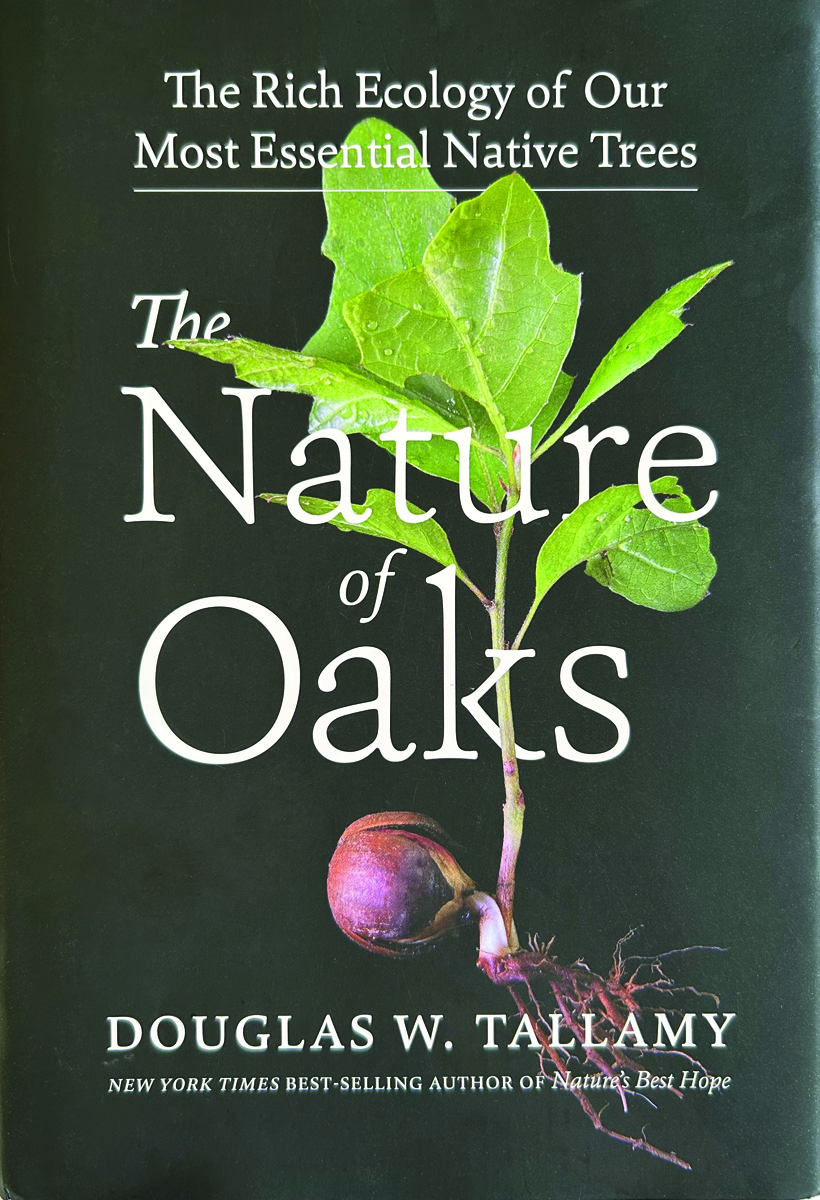
The Nature of Oaks: The Rich Ecology of Our Most Essential Native Trees
Fine Gardening receives a commission for items purchased through links on this site, including Amazon Associates and other affiliate advertising programs.
The Nature of Oaks reveals what is going on in oak trees month by month, highlighting the seasonal cycles of life, death, and renewal. From woodpeckers who collect and store hundreds of acorns for sustenance to the beauty of jewel caterpillars, Doug Tallamy illuminates and celebrates the wonders that occur right in our own backyards. He also shares practical advice about how to plant and care for an oak, along with information about the best oak species for your area.
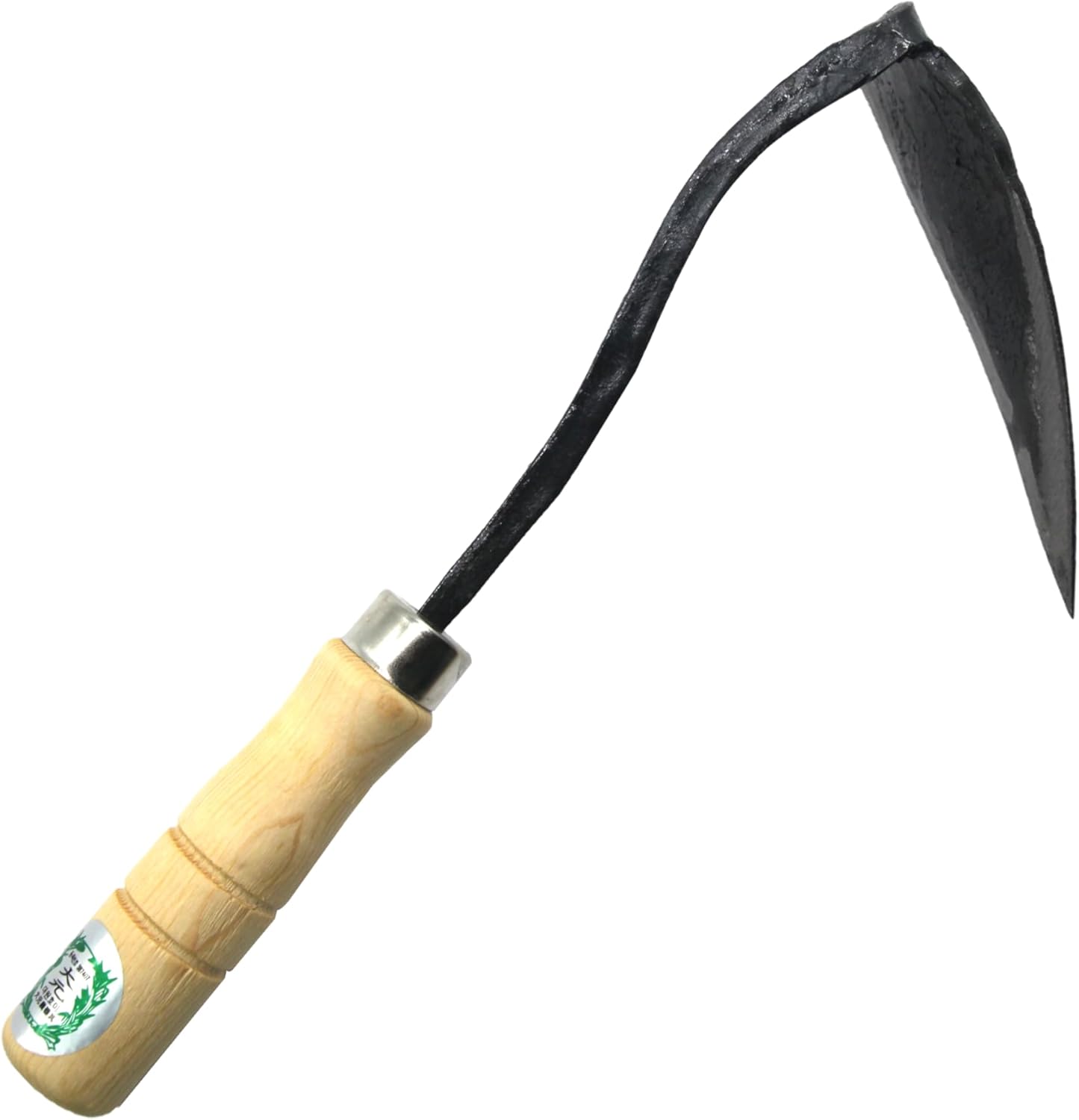
Ho-Mi Digger – Korean Triangle Blade
Fine Gardening receives a commission for items purchased through links on this site, including Amazon Associates and other affiliate advertising programs.
Versatile Tool: The Easy Digger Korean Triangle Blade Ho Mi Ho-mi is a versatile gardening tool designed for leveling and digging in home and garden settings. Efficient Design: Its unique triangular blade shape allows for easy soil penetration and efficient leveling of garden beds or landscaping areas. Durable Construction: Crafted with sturdy materials, this tool ensures long-lasting performance and reliability.
Ergonomic Handle: The comfortable handle provides a secure grip, reducing hand fatigue during extended use. Compact Size: Its compact design makes it easy to maneuver in tight spaces and store when not in use.
