


One of the best things you can do to keep your tomato plants healthy, productive, and strong all season long is to prune them regularly. While many gardeners focus on watering and fertilizing, proper pruning is just as important when it comes to growing a great crop of tomatoes.
There are actually quite a few reasons why tomato plants benefit from pruning. For starters, it can go a long way in helping prevent disease and pest problems. It also improves air circulation throughout the plant, which can increase pollination and ultimately lead to larger harvests.
Pruning also makes tomato plants much easier to care for. By removing lower growth, it becomes far simpler to water and fertilize at the base of the plant. And as an added bonus, weeds become much easier to spot and remove.
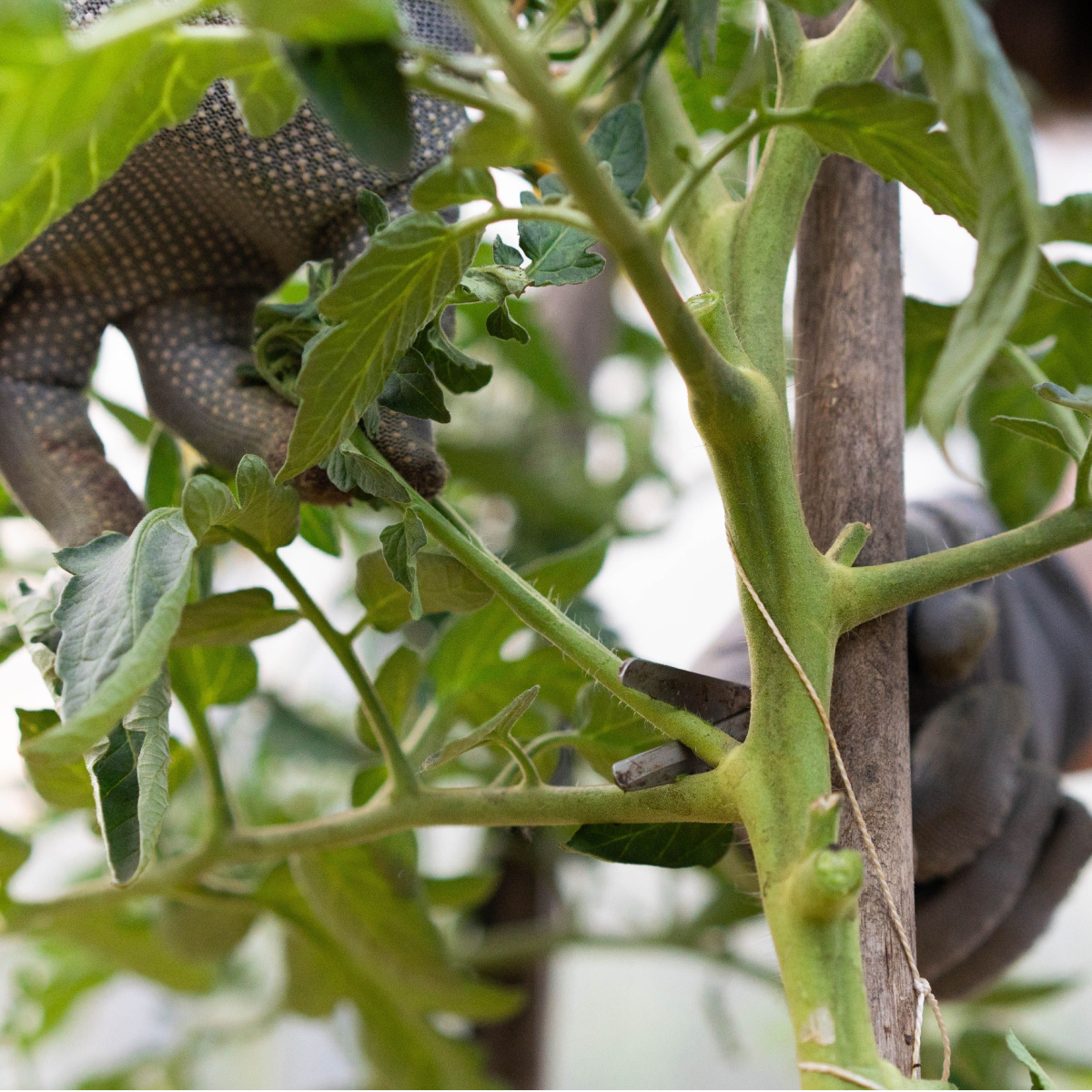
Why You Need To Prune Tomato Plants – And How To Do It!
Unfortunately, pruning tomatoes can be confusing for many gardeners. Should you remove suckers? Is it okay to trim large branches? What happens if your plants grow too tall? And can you prune branches that already have tomatoes on them?
The good news is that pruning tomato plants doesn’t have to be complicated. By understanding what parts of the plant need attention and when to prune them, you can keep your tomatoes healthier and more productive than ever.
When pruning tomato plants, there are three main areas to focus on: the bottom, the middle, and the top of the plant. Each section requires a slightly different approach, and each plays an important role in keeping plants healthy and productive. Let’s start at the bottom and work our way up.
Pruning The Bottom Of Tomato Plants – Why It Matters
Of all the pruning tasks you can perform, trimming the bottom of tomato plants is by far the most important. In fact, even if you never prune any other part of your plants, always prune the lower branches.
Why is it so important? Because many of the diseases and pests that affect tomato plants originate in the soil.

Tomato blight, one of the most destructive diseases for tomato plants, is caused by spores that live in the soil. During rainstorms or watering, those spores can splash onto the lower leaves and begin infecting the plant. Once infection starts, it can quickly spread upward until the plant eventually dies.
Why Pruning Helps
Removing the lower branches creates a barrier between the soil and the foliage above. This greatly reduces the chances of soil-borne diseases reaching your plants. It also makes it more difficult for crawling insects and pests to access the plant.
Equally important, pruning the lower portion of the plant improves air circulation. Better airflow helps leaves dry faster after rain or watering, reducing issues with mildew and fungal diseases. Increased airflow can also improve flower pollination, leading to more fruit production.
How High Should You Prune Your Tomato Plants?
The amount of lower growth you remove depends on the type of tomato you are growing.
For determinate varieties such as Roma and San Marzano tomatoes, we typically prune ten to twelve inches up from the soil line. For larger indeterminate varieties, we prefer to remove twelve to eighteen inches of lower growth.
Listen To Our Podcast On Pruning!
Creating this open space not only discourages insects but also provides easy access to the root zone for watering and fertilizing.
It’s best to prune gradually throughout the season. Begin by removing a few lower branches early in the growing season. As plants continue to grow, keep pruning upward until you reach the desired clearance height for each variety.
Once the bottom area is cleared, always apply a thick layer of mulch around the plant. Mulch helps prevent soil from splashing onto leaves, suppresses weeds, and keeps soil moisture and temperature more consistent.
Use Clean, Sharp Pruners
Before making any cuts, always use a sharp pair of hand pruners or sturdy garden scissors. Dull blades can tear stems and damage plants instead of making clean cuts. Affiliate Link: Fiskars Bypass Pruning Shears, 5/8″ Cut Capacity Gardening Scissors.
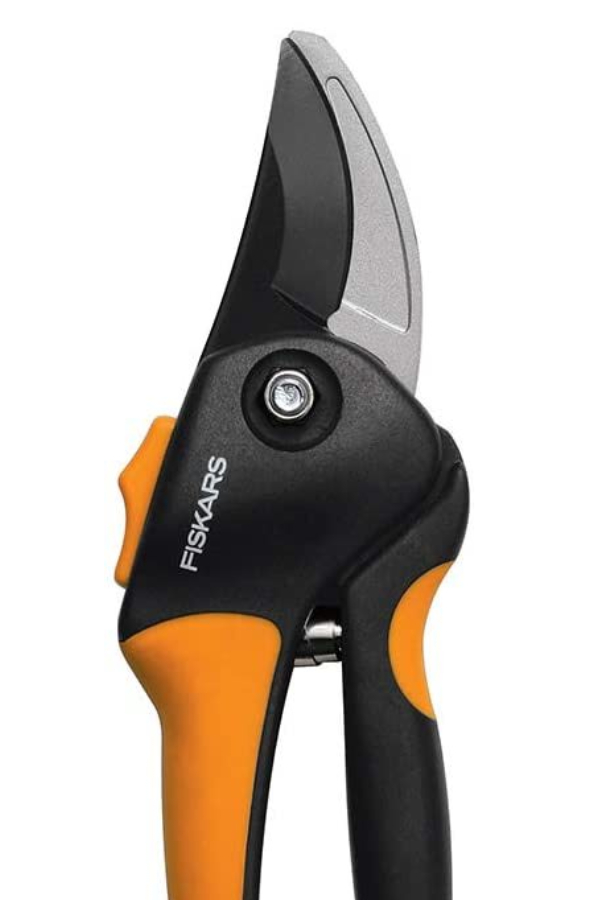
Just as important, sanitize your pruners between plants. Diseases such as blight can easily spread from one tomato plant to another through contaminated blades. A simple sanitizing wipe or chlorine wipe works well for disinfecting tools.
It’s also best to prune early in the morning or later in the evening. Tomato plants experience the most stress during the heat of the day, so avoiding midday pruning is easier on both the plants and the gardener.
Pruning The Middle Sections Of Tomato Plants
When it comes to the middle portion of the plant, remember that less is more.
Begin by removing any branches that are growing into pathways or crowding neighboring plants. Next, selectively thin out a few stems to allow more sunlight and airflow into the center of the plant.
We prefer removing weaker branches or stems with few or no flowers. This allows the stronger, more productive branches to focus on ripening fruit. Don’t overthink this step or remove too much growth. A little pruning goes a long way toward opening up the plant while preserving its most productive branches.
Pruning The Tops Of Tomato Plants
Can you prune the tops of tomato plants if they become too tall? Absolutely. By mid to late summer, many tomato plants begin to outgrow their cages or supports. Topping plants is an easy way to keep them manageable and prevent them from becoming top-heavy.
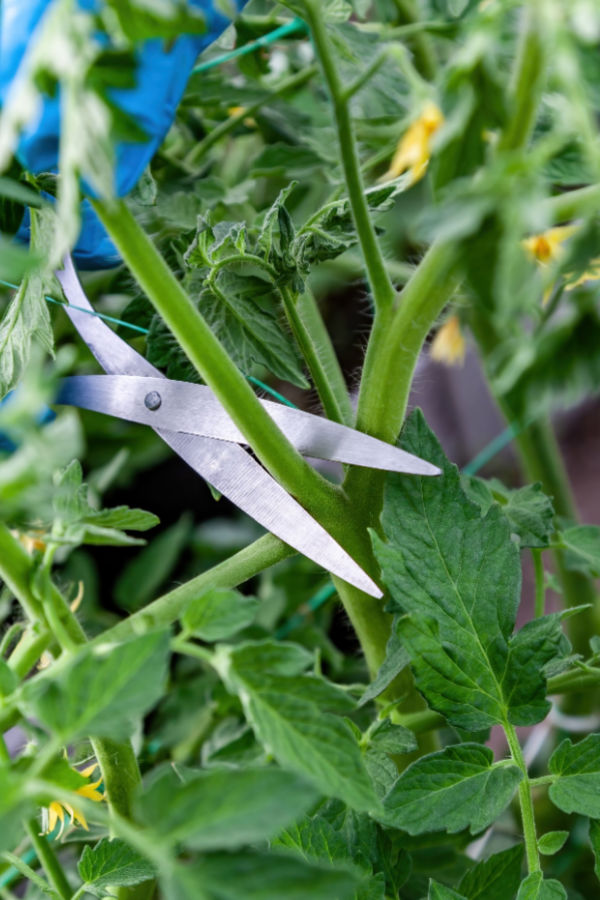
Removing the growing tip encourages the plant to direct more energy toward ripening existing fruit instead of producing more foliage.
Topping also makes harvesting easier and reduces the chances of branches splitting or breaking under the weight of heavy fruit. To top a plant, simply use sharp pruners and cut the main stem at the height you want the plant to remain.
Do You Need To Prune The Suckers From Your Tomato Plants?
Tomato suckers are the small shoots that develop in the “V” where a branch meets the main stem. Many gardeners remove them because they believe suckers take energy away from fruit production.
While suckers do use a small amount of energy, we have found the impact to be minimal. Years ago, we removed suckers religiously. However, after several seasons of side-by-side testing in our garden, we discovered that removing them made little difference in overall plant health or crop yields.
As a result, we now leave them alone. It certainly saves time, and our plants continue to produce excellent harvests.
Always Remove Diseased Or Damaged Growth
No matter what pruning method you use, always remove any leaves or branches showing signs of disease, black spots, or mold. Removing infected foliage quickly can help prevent problems from spreading throughout the plant.
When disposing of diseased leaves or stems, avoid placing them in your compost pile. Many home compost bins simply do not generate enough heat to kill harmful pathogens.
A little pruning throughout the season can make a huge difference in the health and productivity of your tomato plants. By keeping the bottoms clean, opening up the middle, and controlling growth at the top, you can help your plants stay healthier and produce a bigger harvest than ever.
So yes, you really do need to prune your tomato plants! Here’s to enjoying a bumper crop of delicious tomatoes this year. Happy gardening! Jim & Mary
The Farm @ Old World Garden
Jim and Mary Competti have been writing gardening, DIY and recipe articles and books for over 15 years from their 46 acre Ohio farm. The two are frequent speakers on all things gardening and love to travel in their spare time.
As always, feel free to email us at thefarm@owgarden.com with comments, questions, or to simply say hello! You can sign up for our free email list in the subscribe now box in the middle of this article. Follow us on Facebook here : OWG Facebook. This article may contain affiliate links.
