


That extra basket of cucumbers from your garden can not only get you juicy tomatoes in return, but help you get to know your neighbours and increase community food security. Here’s how you can start trading and bartering with your neighbours, sharing your excess and bounty.
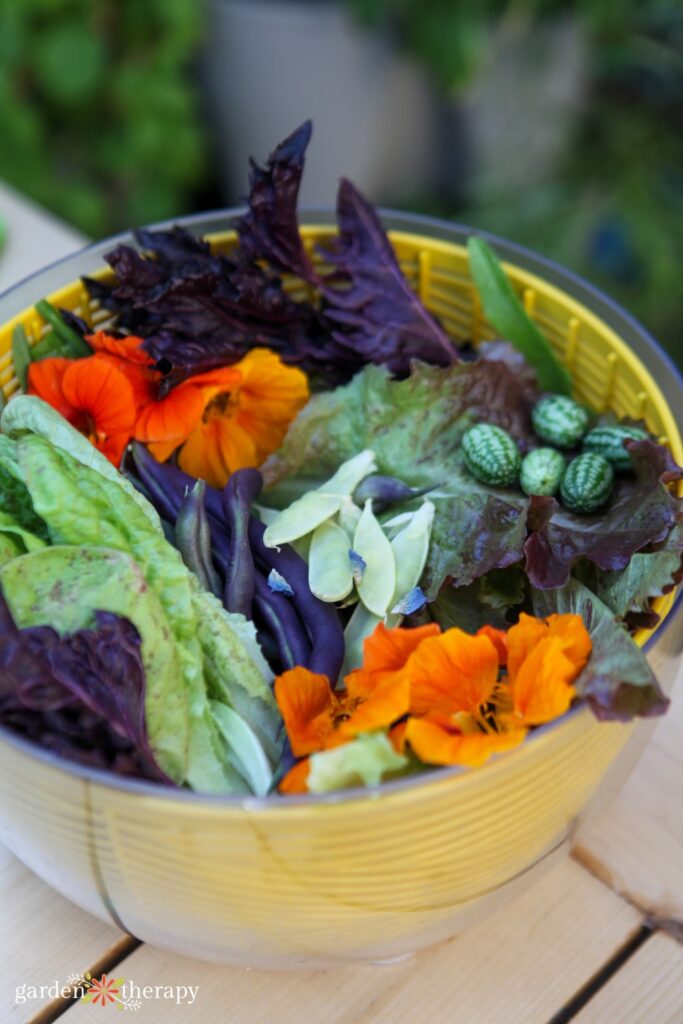
As much as I wish I could fit a pear, fig, apple, walnut, plum, and cherry tree in my small urban yard, I do need to have room for other things, say a vegetable and herb garden.
But that doesn’t mean the sweet sweet taste of a fresh fig is not in the cards for me. In fact, I’m sure there is at least one neighbour in the surrounding block who would be more than happy to share their figs with me, especially in exchange for some of my tomatoes.
While bartering was once a commonplace practice, it’s not sustainable at a global scale, nor is it something we can easily do with many of the products we need.
But that shift away from bartering meant losing the personalization and community-building aspects that were woven into the transactions. Modern bartering is bringing back these connections within our community, and it’s incredibly satisfying to share your bounty and not let things go to waste.
What is Bartering and Trade?
Bartering is considered a trade of like, such as skills for skills or trade for trade. Goods-based bartering is often used in rural communities, where farmers and growers trade products like eggs for honey or cabbage for potatoes on an ongoing basis.
This allows them to use their excess harvest to diversify their consumable products. There is an increasing trend toward this in younger generations, who will happily trade supplies, clothing, art, instruments, home goods, and, of course, garden supplies and plants.
There are countless ways in which bartering can occur, but the true beauty of bartering lies in the relationships it builds. When we trade directly, we create personal connections while avoiding the fees and complexity of conventional commerce.
Though it can’t replace our entire economic system, small-scale bartering adds richness to community life and reminds us of the value in direct exchange.
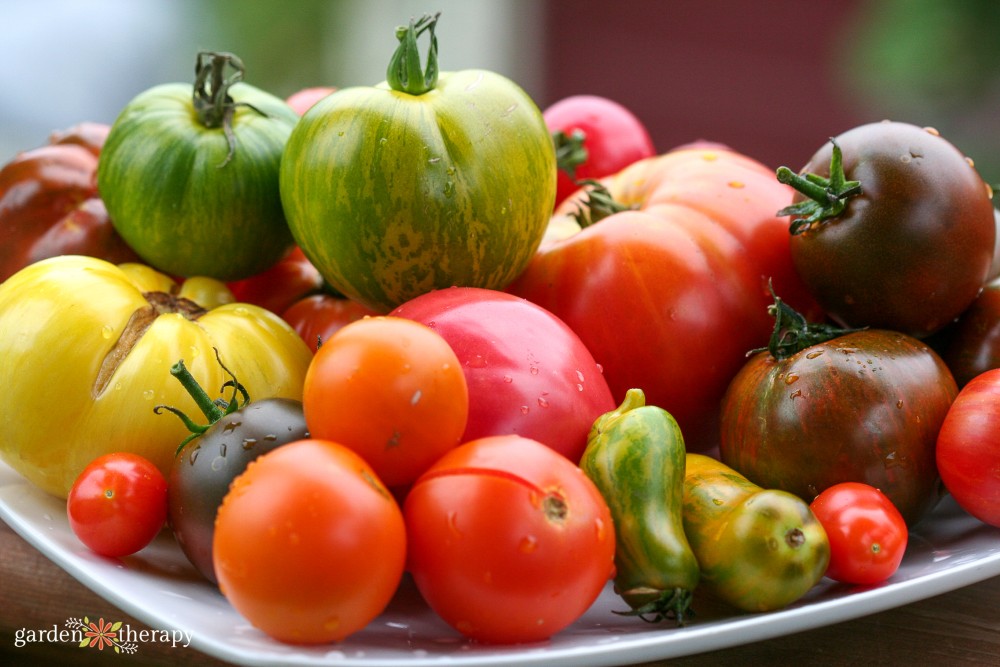
How Bartering Can Improve Food Security
The prices at the grocery store just aren’t what they used to be. It’s very common for me to balk at how expensive raspberries or a watermelon are, alongside many other vegetables and fruits.
Food insecurity is a rising issue, where people don’t have access to affordable fresh and nutritious food. Many people are turning to gardening to help alleviate the stress of the grocery storeand you can take it one step further by bartering and trading with your neighbours.
If you have a small space and enough room for a plum tree, you could create a system with your neighbours. One neighbour might have a pear, another a persimmon, and maybe a walnut.
You could share your plums with them (after all, there’s no way you’ll eat them all), and they can share the extras from their harvest. Perhaps you preserve all your extra plums, and they preserve their extra fruit too. Then you can swap and enjoy all fruits and nuts without the work of preserving them all.
Getting Started With Bartering
Start by assessing what you can give in your trade. What do you already grow that you have in excess? What thrives in your garden that you can easily grow more of?
Then you can look for people to trade with. Who in your neighbourhood has a fruit tree? Do you already have local gardening friends? Is there a large vegetable garden you’ve admired while on a walk? Try knocking on someone’s doorleaving a note, or even bringing along a sample of your produce.
Another option is to post flyers in your neighbourhood, community centre, or library to see if anyone wants to swap. You can even organize a trade event at the community centre encouraging everyone to share their excess.
You can also find great community in localized Facebook groups catered to gardening or other local neighbourhood apps like Freecycle or Nextdoor.
Other Ways to Contribute and Share
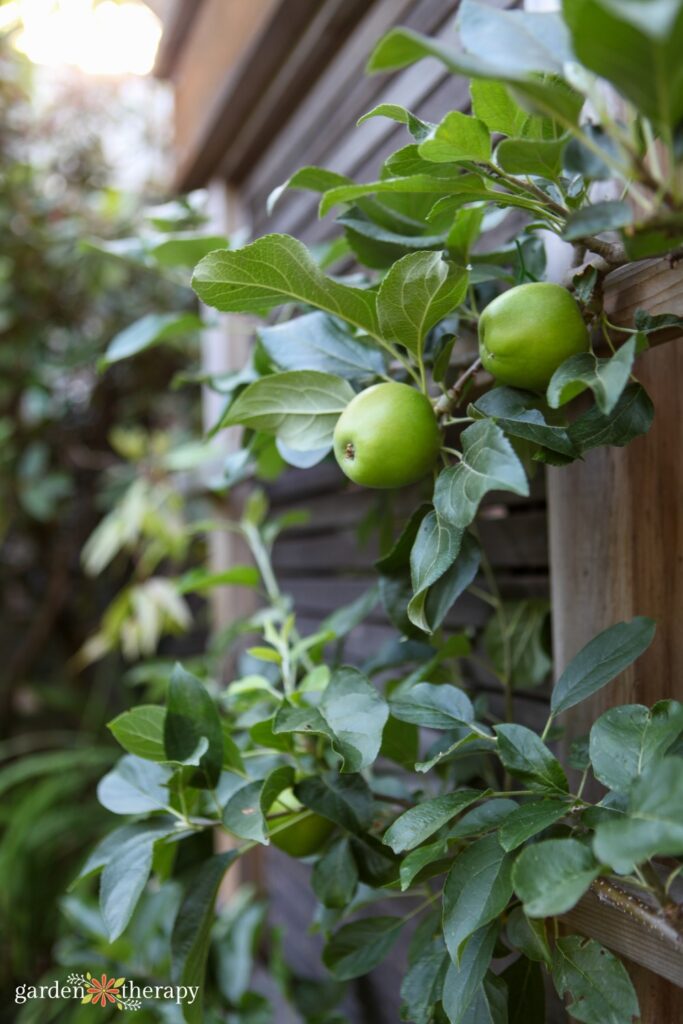
You don’t have to have a big bounty on your property to take part in this system. If you notice a neighbour’s tree bursting with apples that are going unpicked, don’t hesitate to knock on their door and ask if you could harvest a few.
They might be thankful that someone is able to harvest them when they can’t or use them when they have more than they need.
While giving something in return is by no means a requirement, you can show gratitude with a loaf of your famous sourdough, a jelly made from their bounty, the offer to garden sit for them, or a simple thank you card. You’ll feel closer to your community as a result.
Here are just a few ways you can share and collaborate with your community:
- Save your seeds from your garden and share the extras you don’t plant with neighbours in the spring
- Harvest flower bouquets from your garden to brighten up a neighbour’s day
- Share and lend out garden tools, so everyone doesn’t need to purchase one of everything.
- Dry your extra herbs and pass out the extras in the fall
- Join and share a CSA subscription with a few neighbours, such as local eggs or a produce box

From Vancouver, BC, Holly is Garden Therapy’s Content Manager. She has a BFA in Writing from the University of Victoria as well as a diploma in Floristry Design from Burnaby CCE. At home, she loves to grow cut flowers and dried flowers for her business, Dirty Daisy Florals, and is an avid houseplant collector and lover of bees. You can find her at @dirtydaisyflorals and @hollyheuversocial.
